Estimates jump 100% as forecasters see elevated price pressures persisting well into the year, rattling bond markets.

Washington's borrowing binge is unsustainable long-term, but Treasuries remain a cornerstone of global portfolios.

Asset manager urges “dynamic patience” as higher yields and wider dispersion boost active fixed income.

A $43 billion drop in the federal surplus signals that new tax breaks are reshaping how much Washington collects – and keeps.

Proposed reforms may boost US banks’ competitiveness while reshaping global capital markets.

In a historic break from tradition, the outgoing chair says he will remain on the Fed's board after his term expires — because the administration's attacks on the institution have left him no choice

Outgoing Fed Chair Jerome Powell continues to resist President Donald Trump's calls to cut interest rates.
New research says fixed income ETFs now underpin income, liquidity, and resilience in modern portfolios.

Famed fund manager Ray Dalio made his case for stagflation on CNBC on Monday. But not all wealth managers agree with the market guru.
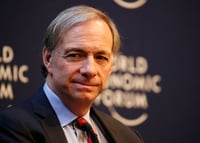
Bridgewater's founder argues the US is in a stagflationary period, and that the Fed's next chair would damage the central bank's credibility by lowering borrowing costs.
Investment outlook highlights resilient earnings, sticky inflation, and shifting global opportunities.

Markets climb on de-escalation hopes and earnings strength, even as oil and yields threaten outlook.

His divulged net worth easily eclipses current Chair Jerome Powell's, though holdings in venture capital, private funds, and crypto make the exact number hard to pin down.

Energy shocks, rising yields and shifting ‘defensives’ signal a new stagflationary playbook.

Here's what advisors are saying and doing ahead of Kevin Warsh's ascension to Fed Chair in May.
While geopolitical strain persists, some key sectors highlight market resilience.
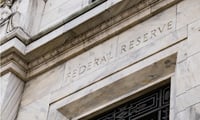
Investors face murky path as Fed weighs inflation persistence against growth risks.

Oil prices remain more than 40% above pre-war levels and ship traffic through the Strait of Hormuz has barely recovered, as the US-Iran ceasefire frays amid competing claims over its terms.

With more than $8 billion trapped across the industry and rivals capping withdrawals, the firm is now moving to capitalize on easing competition among lenders.
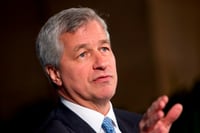
The JPMorgan chief''s annual letter points to the '70s oil-shock recession, private credit losses running "a little higher than they should be," and "second- and third-order effects" from emerging AI technology.